Biodynamic Craniosacral Therapy for babies and children
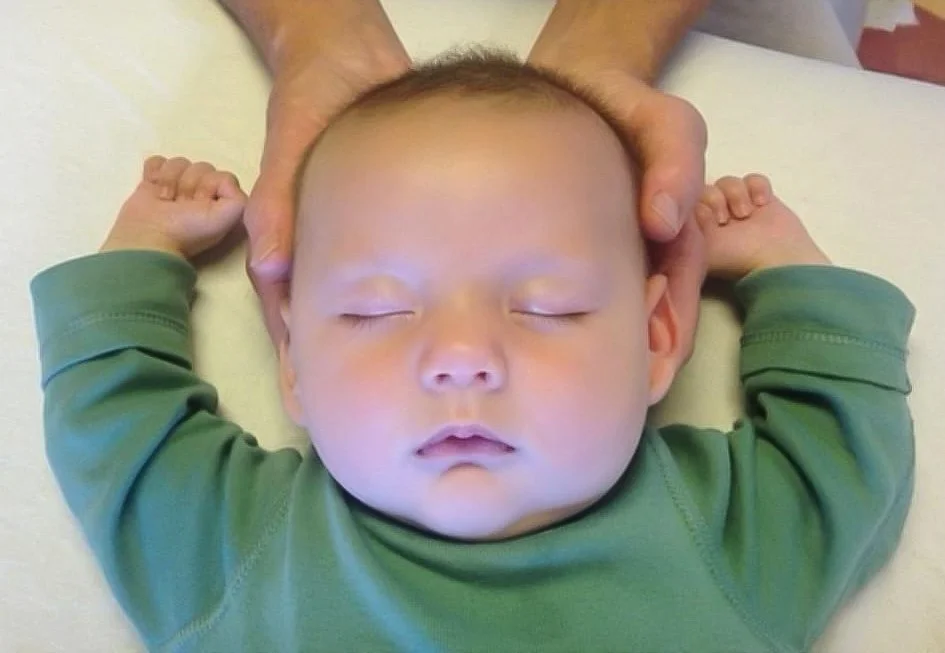
Benefits of Biodynamic Craniosacral Therapy for Babies and Children
What is BCST for babies and young children?
BCST is a very gentle, hands-on therapy that listens to your baby’s body using extremelylight touch. The practitioner tunes into your baby’s subtle movements and rhythms, helping the body to let go of stress and tightness and return to a state of balance. When working with infants and young children BCST can bring a range of gentle, subtle but meaningful benefits:
1. Supports recovery from birth
Birth is a powerful and sometimes stressful experience-especially for babies. Whether the birth is quick, prolonged, involved interventions (like forceps and vacuum or C Section) it can lead to:
Compressions and tensions in the baby’s body or skull
Nervous system overstimulation (fight or flight response )
Difficulty settling or feeding
BCST helps release birth tensions in a gentle way, calming the baby and supporting smoother development
2. Gently regulates the Nervous system
BCST works by helping the baby’s autonomic nervous system shift from “fight and flight” to “rest and digest”
This supports
Better sleep
Easier digestion (less colic, reflux , wind)
Improved ability to bond, feed and relax
3. Addresses common infant issues
Practitioners and parents report improvements in:
Colic or excessive crying
Feeding or latching difficulties
Reflux and digestive discomfort
Sleep disturbances
Flat spots on head (plagiocephaly)
Torticollis (tight neck muscles)
By helping release tension and improve fluid and tissue movement, BCST can support structural and functional balance.
4. Deeply Gentle and Respectful Touch
The touch in BCST is extremely light, often less than 5 grams of pressure. This is ideal for newborns whose nervous systems are still very delicate and sensitive. The therapist simply listens to the body’s subtle rhythms and helps create space for balance to return.
5. Supports Bonding and Emotional Regulation
Many practitioners involve the parent in sessions, sometimes with the baby resting on the parent’s chest.
The work can help babies process any early overwhelm or trauma and parents often report feeling more connected and calmer as a result.
6. Encourages Optimal Development
By supporting healthy alignment, nervous system regulation and energetic balance early in life , BCST can help lay a strong foundation for:
Gross motor development
Immune function
Emotional resilience
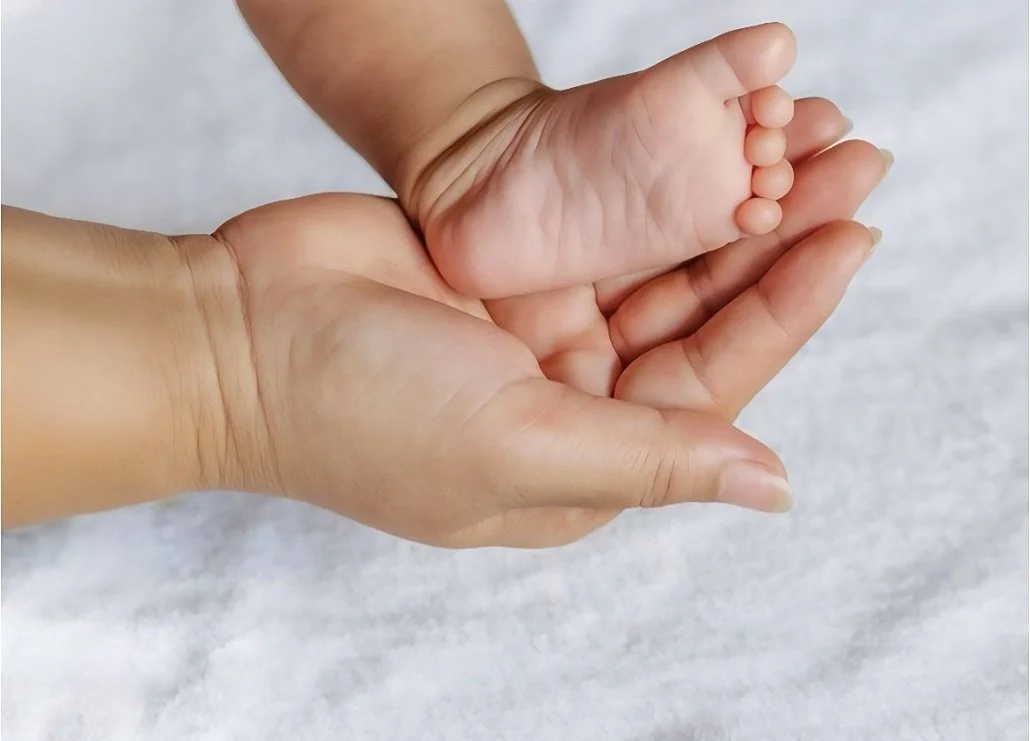
What Parents and Child Can Expect During a Session
1. Arrival and settling in
When you and your child arrive and we will take time to chat about your pregnancy journey, your child’s history (birth, current patterns, any concerns). It is important that you are at ease and that you can both settle into the space. The environment will be calm, warm, and uncluttered — with your child free to stay on your lap, on a mat, or move around as they choose.
2. Observation and Attunement
I will observe your child’s movement, posture, breathing, and how they are engaging in the space. I will stay close, but at a respectful distance, letting your child feel safe in your presence and mine. There is no expectation of “doing” something right away. The priority is the child and you feeling at ease. If your child responds with curiosity, softness, or openness, that gives the invitation to proceed gently.
3. Gentle touch or staying with presence
If your child shows readiness (relaxed breathing, soft eyes, comfortable in the space, curious rather than fearful), I may introduce very light hands-on contact (always with your child staying comfortable, often still in your proximity). The touch is extremely gentle, respectful of the child’s rhythm, and always attuned
to what the child allows at that moment. If the child does not feel ready for touch in that session, that is entirely fine: the presence, observation, and safe space are the therapeutic work.
4. Parent participation and comfort
You will stay with your child throughout the session, providing continuity and security. Your calm presence is a vital part of the process — your own relaxed body and attitude help your child feel safe and supported. Please bring along a familiar blanket, toy or comfort object for your child; also ensure you and your child are dressed comfortably.
5. Closing and follow-up
At the end of the session, we’ll chat briefly about what was observed, how your child responded, any subtle changes you might notice over the coming days (sleep, appetite, mood, movement). I may offer suggestions for supports at home (gentle movement, calm routines, mindful awareness) but there is no pressure or expectation. You will leave the session knowing that you have created a container of safety and attunement for your child — whether or not full touch-treatment occurred yet. That itself is a significant step.
In Summary
The foundation of BCST with babies and young children is safety, trust, and listening. The hands-on part may or may not happen in the first session — and that’s perfectly okay. The most important thing is that your child feels safe, you both feel supported, and the nervous system is allowed to begin to relax. Over time, with familiarity and consistent support, the child’s system can engage more deeply in the healing process.